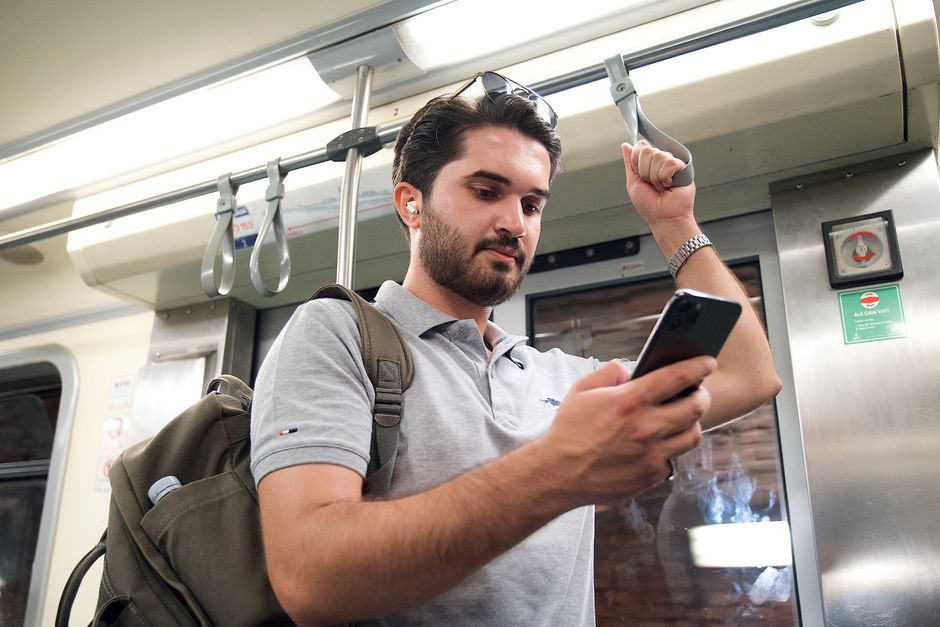
Turning eligible PDF or EPUB files into commute-friendly audio lets you engage with borrowed eBooks and research papers even when you don't have time to sit and read. You can upload these documents to an app, convert them to an audiobook, and listen during your commute, workout, or daily tasks, often with the ability to ask questions about the text as you go.
Consider Marta, a night-shift nurse three weeks into her move to Porto. She’d found a fascinating EPUB on Portuguese history through the Fort Vancouver Regional Library system, hoping to get up to speed on her new home. The book was compelling, but between 12-hour shifts and navigating a new city, the idea of sitting down to read felt impossible. She kept renewing the loan, but the due date was approaching again, threatening a fine and, worse, a return without finishing it. She knew the library had a good selection of audiobooks, but this specific history wasn't one of them. She pictured having to return the book unread, the digital pages just sitting there.
Why Converting Your Own Documents Matters
The struggle Marta faced is common. The traditional audiobook market is fantastic for popular titles, but what about the niche non-fiction, the dense academic papers, or those unique eBooks you borrow that simply aren't available in audio? This is where converting your own PDF or EPUB files becomes a game-changer. It unlocks a personal library of listenable content, transforming documents from static text into dynamic audio experiences. It means less time spent waiting for a specific audio version, and more time actually engaging with the material that matters to you.
Beyond Commercial Audiobooks
Many platforms offer extensive audiobook catalogs, but they can't cover every single document you encounter. Think about research papers from work, an eBook you found on a specialist forum, or even a classic text scanned into a PDF. These often exist outside mainstream audiobook channels. Being able to convert them yourself means your learning isn't limited by what's commercially produced. For professionals and lifelong learners, this means no more waiting for a publisher to decide if a valuable resource is worth narrating. It's about taking control of your learning flow and making every document accessible on your own terms.
How to Turn Your PDFs and EPUBs into Audiobooks
The process is often simpler than you might think. You upload your PDF or EPUB file to a service like Adesa, which then converts the text into a narrated audiobook using AI voices. You get a fully controllable audio file, often downloadable, that you can listen to on the go. For Marta, finding a service that handled EPUBs was the key. She uploaded her Portuguese history book, and within minutes, the narration began. She could pause it, rewind, and even ask questions about specific historical figures or events directly from her listening position. This meant she could clarify a concept about the Carnation Revolution or a tricky Portuguese surname without losing her place or pulling out her phone to search. You can see how this in-flow Q&A works in more detail in What Happens When PDF Narration Moves Faster Than Your Understanding?.
The Advantage of In-Flow Q&A
For busy people, the ability to ask questions about a document while listening is a powerful feature. Instead of hitting pause, opening another app, and searching for context, you can simply ask for clarification. This helps maintain focus and comprehension, especially when you're absorbing complex information during a commute or while multitasking. For a language learner, it can mean instant vocabulary help or cultural context without breaking the immersion. Marta finished her book with two days to spare before the library due date, feeling much more connected to her new home. She'd absorbed the history while walking her dog and making dinner, clarifying key points along the way. Now, her next library loan felt less like a looming chore and more like an exciting new listening opportunity.
Comments
No comments yet.