
A conclusion follows from the evidence when the cited facts support that specific claim, without hidden assumptions or a leap from possibility to certainty. When a paper sounds more confident than its results allow, pause at the claim, identify the evidence it relies on, and ask what reasoning connects the two.
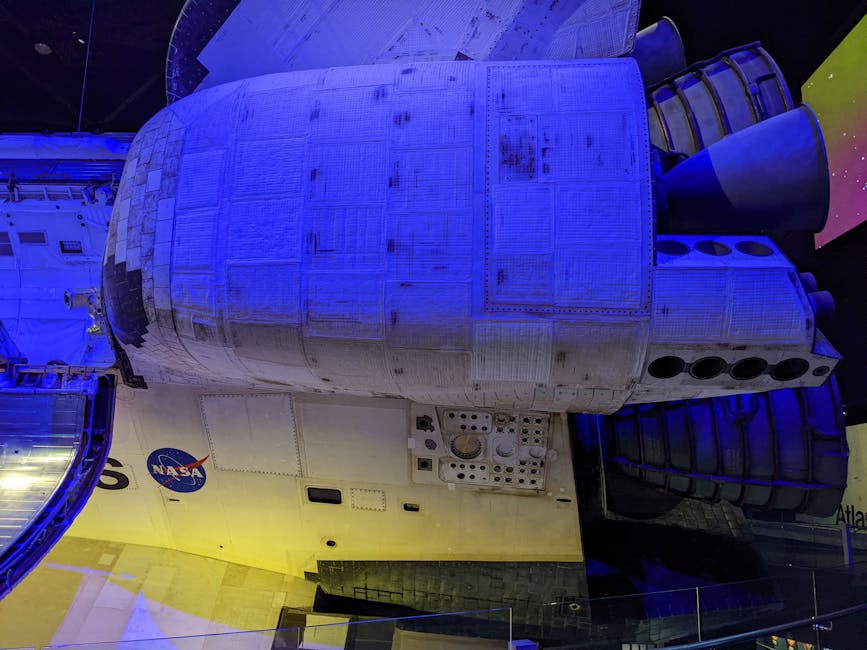
On the eve of the Challenger launch in 1986, engineers at Morton Thiokol were looking at evidence that did not support a confident decision.
Roger Boisjoly and other engineers had warned about the space shuttle’s solid rocket booster O-rings. Previous launches had shown damage associated with cold conditions. Forecast temperatures at Kennedy Space Center raised concern that the seals might not perform properly.
During a teleconference with NASA, Morton Thiokol initially recommended against launching below the coldest temperature supported by its prior launch data. After an internal management discussion, the company reversed that recommendation. Challenger launched on January 28, 1986. The shuttle broke apart 73 seconds later, killing all seven crew members.
The Rogers Commission later concluded that the immediate cause involved the failure of the pressure seal in a joint of the right solid rocket motor. Its report also examined the decision process that allowed the launch to proceed. The record matters because the disputed conclusion was practical and immediate: the available evidence was treated as sufficient to launch.
That is the same reasoning problem readers meet in quieter settings. A conclusion can sound decisive while the evidence underneath it remains narrow, incomplete, or uncertain.
Find the sentence where the certainty changes
Research papers often move through several levels of confidence.
The results may say that two variables were associated in one sample. The discussion may suggest a possible explanation. Then the conclusion may quietly describe that explanation as established.
Listening makes this shift easy to miss. The narrator continues at the same volume and pace. A phrase such as “may contribute to” can become “demonstrates that” several minutes later, with tables, citations, and technical language between them.
When that happens, return to the strongest sentence and reduce it to a simple claim. For example:
“The intervention caused the improvement.”
Then ask what the study actually observed. Did researchers randomly assign participants? Was there a control group? Could another variable explain the difference? Did the measured outcome match the broader conclusion?
You do not need to reject the paper. You need to determine how much confidence the evidence earns.
Question the bridge without leaving playback
Suppose you are listening to a PDF on the train, during a walk, or between meetings. The author concludes that a training method improves long-term performance, but the cited study measured participants immediately after one session.
That gap deserves a question:
“What evidence supports the claim about long-term performance?”
A useful answer should point back to the document, distinguish direct findings from interpretation, and acknowledge when the cited evidence covers only a shorter period. That keeps the reasoning anchored to the source instead of turning the question into a generic debate about the topic.
Adesa is built for this moment. Upload a PDF or EPUB, listen to the full document, and ask a grounded question from the same book session without leaving playback. You can also download the audio for later listening.
The value lies in preserving context. Opening a separate search tab may produce a polished explanation, but it can pull you away from the author’s exact claim, sample, definition, or caveat. Asking inside the document keeps the disputed sentence and its supporting material in the same frame.
For another example of one detail changing the apparent logic of a report, see Ambiguous Pronouns in PDF Audio: How Priya Restored a Policy Report’s Logic.
Use three checks before accepting the claim
First, compare the strength of the verbs. “Suggests,” “is associated with,” and “may explain” carry less certainty than “causes,” “proves,” or “demonstrates.” A stronger verb needs stronger evidence.
Second, check whether the conclusion stays within the study’s boundaries. Evidence from a small or specialized group may not support a claim about everyone. A short observation period may not support a long-term prediction. A laboratory result may need more evidence before it becomes practical advice.
Third, look for the missing alternative. If the author claims A caused B, ask what else could have produced B. A good paper may address those alternatives in its limitations, appendix, or cited methods. If it does not, the conclusion may be getting ahead of the record.
These checks also help with dense textbooks and policy reports. Sometimes the key qualification is buried far from the headline finding, as in Marcus’s Buried Footnote. His Client Meeting Starts at 9..
Stop at the point of decision
The Challenger record carries a severe lesson about evidence, uncertainty, and action. The engineers did not need perfect knowledge to raise a valid objection. They needed the decision to reflect what the available data could and could not support.
Your next paper will rarely carry stakes like those at Kennedy Space Center. The reasoning habit still transfers. When a conclusion sounds firmer than the results you heard, stop playback and ask for the bridge: “Which findings support this conclusion, and what assumptions connect them?”
That brief interruption can separate a result the paper established from a story the author hopes is true.
Comments
No comments yet.