
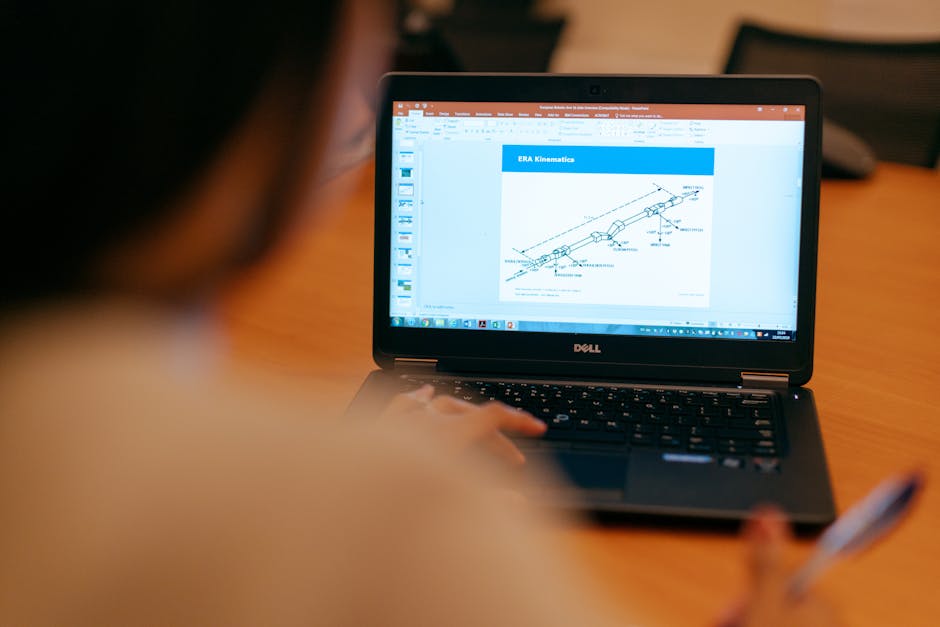
Turn the paper into a presentation by listening for its argument, marking claims that need explanation, and asking source-grounded questions while the evidence is still in context. Adesa lets you upload a PDF or EPUB, hear the full document, download the audio, and question the text without leaving playback.
In April 1970, the Apollo 13 crew faced rising carbon dioxide inside the spacecraft. The command module’s square lithium hydroxide canisters did not fit the lunar module’s round openings, and Mission Control in Houston had to devise a workable adapter from materials already aboard.
NASA engineer Ed Smylie and his team assembled a prototype using items available to the astronauts, including plastic bags, cardboard, and duct tape. Mission Control then had to turn that physical solution into spoken instructions the crew could follow in space. NASA’s Apollo 13 mission history documents the crisis, the improvised adapter, and the procedure sent to the spacecraft.
The hardware mattered. So did the translation. A correct solution trapped inside technical detail would not have helped the crew.
Your research presentation has the same shape at far lower stakes. The paper contains the evidence, but your audience needs a clear sequence they can understand and use.
Listen for the paper’s real argument
A rushed presentation often becomes a guided tour of headings: background, methods, results, conclusion. That structure follows the document, but it may hide the point you need to communicate.
Upload the research paper to Adesa and listen from the beginning at a speed that keeps you attentive. Full sequential narration helps you hear how the authors build their case, where they qualify a claim, and which findings depend on an earlier definition or assumption.
Keep one sentence in mind as you listen: “The authors want me to believe ______ because ______.”
Fill it in before you design slides. If you cannot complete it plainly, the argument is not ready for presentation.
Pay particular attention to words such as “may,” “suggests,” “associated with,” and “under these conditions.” A slide can easily turn a cautious finding into a firm conclusion. Mara’s lesson about “may” sounding like “will” shows why those small words deserve attention.
Question the evidence while it is still in context
Last-minute preparation creates a familiar problem. You hear a term, assumption, or result that seems important, tell yourself you will check it later, and continue. By the time you stop, the question has lost its page, paragraph, and surrounding logic.
Ask the question when it appears.
With Adesa, you can pause playback and question the uploaded document in the same session. Try prompts that sharpen your presentation rather than request a generic summary:
- What evidence supports this conclusion?
- How does the paper define this term?
- Which limitations affect this result?
- What assumption does this model depend on?
- Where do the authors distinguish correlation from causation?
- What would a skeptical audience member challenge here?
Source-grounded answers help you return to the relevant material instead of opening a general web search and sorting through unrelated explanations. The goal is a presentation you can defend from the paper itself.
If a definition appeared much earlier, retrieve it before paraphrasing. That small habit prevents the kind of context loss explored in the definition 23 pages back.
Convert your notes into a presentation spine
Once you understand the argument, build a short sequence that matches what your audience needs.
Start with the problem the research addresses. Follow with the paper’s central claim, the strongest evidence, one important limitation, and the practical implication. Add methods only where they help the audience judge the result.
Each slide should do one job. A useful working structure is:
- This is the question the researchers examined.
- This is how they investigated it.
- This is what they found.
- This is what the finding does and does not support.
- This is why the result matters here.
Return to the paper whenever a slide sounds more certain than the source. Ask Adesa to locate the relevant qualification, then revise the slide in your own words. Keep citations, table numbers, and page references in your speaker notes so you can trace every important claim during questions.
Downloading the narration can also help when your final preparation happens away from your desk. Listen through the difficult sections again, then rehearse aloud without looking at the slides. Any point you cannot explain simply needs another pass through the source.
Rehearse the handoff, not the document
Smylie’s team did more than identify the right materials. Mission Control converted the solution into a sequence the Apollo 13 crew could carry out with limited time and only the objects available aboard the spacecraft.
That is the final job of research preparation. Your audience does not need every sentence from the PDF. They need the central argument, enough evidence to trust it, the limits that keep it honest, and a clear reason to care.
Before presenting, run one final check. State the main finding in one sentence. Name the evidence behind it. Name the strongest limitation. Then answer the question you would least like to receive.
If one answer feels vague, return to that point in playback and question the document while the context is visible. Fix the weak slide, rehearse the explanation once more, and stop adding material.
Comments
No comments yet.