Agentic AI can analyze a research paper, but it still leaves a practical gap when reading becomes listening. A complete workflow keeps full narration, playback-aware questions, and downloadable audio together, so you can clarify a passage without losing your place.
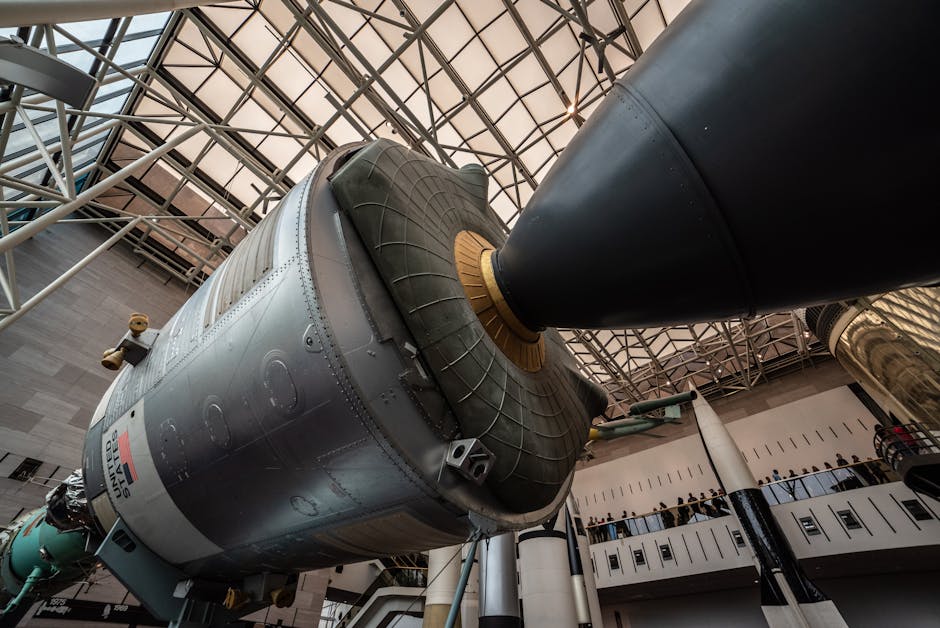
In April 1970, the Apollo 13 crew faced rising carbon dioxide inside the lunar module. The command module carried square lithium hydroxide canisters, while the lunar module’s system accepted round ones. The materials were aboard. The parts worked. They simply did not connect.
NASA engineers in Houston devised an adapter using materials available to the crew, including plastic bags, cardboard, a hose, and duct tape. The astronauts followed their instructions and brought carbon dioxide levels down. Jim Lovell and Jeffrey Kluger document the mission in Lost Moon, later published as Apollo 13.
The lesson is smaller here, but the mechanism is familiar. Having every capable part does not guarantee a usable system. The connections determine whether the workflow survives contact with reality.
Research rarely happens at a desk from beginning to end
Consider a 60-page paper waiting on your laptop before tomorrow’s meeting. You can ask an AI agent to summarize it, extract claims, or compare sections. Those are useful tasks, especially when you need orientation.
Then you leave your desk.
You want to continue through the complete argument while walking, commuting, or making dinner. A short audio overview cannot replace the paper’s sequence. It may omit the caveat in the methods section, the definition introduced on page 12, or the limitation that changes how the conclusion should be read.
Continuous narration preserves that sequence. You hear the paper in order, pause when something matters, adjust playback, and return later. If you need the practical conversion details first, this seven-step PDF-to-audiobook guide explains how document structure affects the result.
This is the listening-depth gap. A research assistant may help you inspect a source, while a document reader may speak it aloud. Researchers need those jobs connected.
A useful question begins with what you just heard
During playback, a sentence refers to “this effect.” What effect? You could stop the audio, open another tool, upload the paper again, find the passage, rebuild the context, and ask.
Each step is manageable. Together, they break concentration.
A playback-aware question starts from your current position in the document. You can ask what a term means here, which earlier claim the author is referring to, or how the current result relates to the stated hypothesis. The answer should stay grounded in the uploaded source instead of drifting into a generic explanation.
That distinction matters for research papers. “What does confounding mean?” and “Which confounders do the authors identify in this study?” are different questions. The second depends on the paper and the passage you are hearing.
Adesa keeps that exchange inside the listening session. Upload a PDF or EPUB, receive full controllable narration, and ask grounded questions while you listen. The purpose is simple: clarify the document without abandoning it.
For a closer look at where ordinary listening breaks down, read why rewinding a PDF often fails to restore understanding.
Downloadable audio makes the workflow portable
Browser playback works until the connection is unreliable, the tab closes, or you need the audio somewhere else. Downloadable audio gives the converted document a life beyond the original session.
That matters when a paper must fit around a commute, a flight, or a walk across town. It also gives you a predictable artifact to keep with your notes. You are no longer dependent on generating another overview each time you return.
This is where document chat tools and audio summaries stop short. Source-grounded questions can help you interrogate a paper. Synthesized discussions can help you grasp its broad themes. Neither automatically gives you full sequential narration, a persistent listening position, and audio you can download.
Adesa brings those pieces into one personal-document workflow. Paid plans begin at $4.99 per month, compared with higher monthly entry prices for premium document readers such as Speechify and NaturalReader. The relevant comparison is concrete: what can you upload, how much can you listen to, can you question the source in context, and can you take the audio with you?
Connect the parts before adding another agent
Before choosing a research tool, test one paper from beginning to end.
Upload the complete file. Start listening. Pause at a dense paragraph and ask a question tied to that passage. Resume from the same place. Download the audio, then check whether you can continue in the setting where you actually plan to listen.
If any link fails, more autonomous actions will not repair the reading experience. They may produce more outputs while leaving you to move between narration, chat, source text, and exported files.
Apollo 13’s engineers did not solve their problem by adding another isolated component. They made the available components work together under real constraints. Research tools face a quieter version of the same test: the value appears when narration, context, questions, and portability remain connected from upload to final page.
Comments
No comments yet.